
Product Code :
BC LURE 10 PCS
₹
(Incl. Of All Taxes)
This pack contains one pheromone lure of Bactrocera cucurbitae (Melon Fruit Fly), specially designed for use in fruit fly traps for efficient monitoring and management of fruit fly infestation in cucurbit crops.
This pack contains one pheromone lure of Bactrocera cucurbitae (Melon Fruit Fly), specially designed for use in fruit fly traps for efficient monitoring and management of fruit fly infestation in cucurbit crops. The lure attracts adult flies into the trap, helping farmers detect pest presence early and take timely control measures to minimize crop damage.
Identification
The eggs are pure white, elliptical, about 2 mm long, slightly curved, and usually laid inside young fruits or tender plant parts. The larva is white, maggot-like, cylindrical, and legless with a tapered front end and flattened rear. It has three larval stages (instars) and may grow up to 7.5–11.8 mm in length. A distinguishing feature is a dark horizontal line near the rear end below the spiracles. The adult fly is about 6–8 mm long, with a yellowish head marked with black spots, reddish-yellow thorax with light markings, and characteristic patterned wings.
Life Cycle
The development from egg to adult takes about 12–28 days in warm conditions, but may extend in cooler weather. Female flies start laying eggs after 7–26 days and can continue for 39–95 days, laying up to 1000 eggs in their lifetime. Eggs are laid in young fruits, tender stems, or soft tissues using a sharp ovipositor. Larvae feed inside fruits and later pupate in the soil at a depth of up to 2 inches. Adult flies can live for several months and feed on plant juices, nectar, and honeydew. There may be 8–10 generations in a year under favorable conditions.
Nature of Damage
The larvae cause severe damage by feeding inside fruits, making tunnels that lead to rotting. Affected fruits show water-soaked patches, become deformed, and often drop prematurely. These tunnels also allow entry of bacteria and fungi, accelerating decay. In addition to fruits, larvae may attack young seedlings, roots, stems, and buds of host plants like cucumber and squash. Heavy infestation significantly reduces yield and market quality, and also affects export potential due to quarantine restrictions.
Target Crops
Watermelon, Muskmelon, Pumpkin, Bottle gourd, Cucumber, Ridge gourd, Bitter gourd (Karela), Tinda, Parwal and other cucurbit crops.
Usage Instructions
- Open the pack and carefully remove the lure
- Do not touch the lure with bare hands
- Fix the lure properly inside the fruit fly trap
- Install traps uniformly in the field
- Replace the lure after recommended duration
- Wash hands before and after handling
- Dispose used lure safely by burning or burying underground
Application Details
- Trap Type: Fruit Fly Trap
- Trap Density: 8–10 traps per acre
- Lure Life: Up to 60 days
Key Benefits
- Early detection of fruit fly infestation
- Helps reduce pest population through trapping
- Minimizes crop damage and improves yield quality
- Supports eco-friendly pest management
- Easy to use and maintain

Related Products

SEED TREATMENT 1 LTR-10087
MRP:
₹1600.00
(Incl. Of All Taxes)
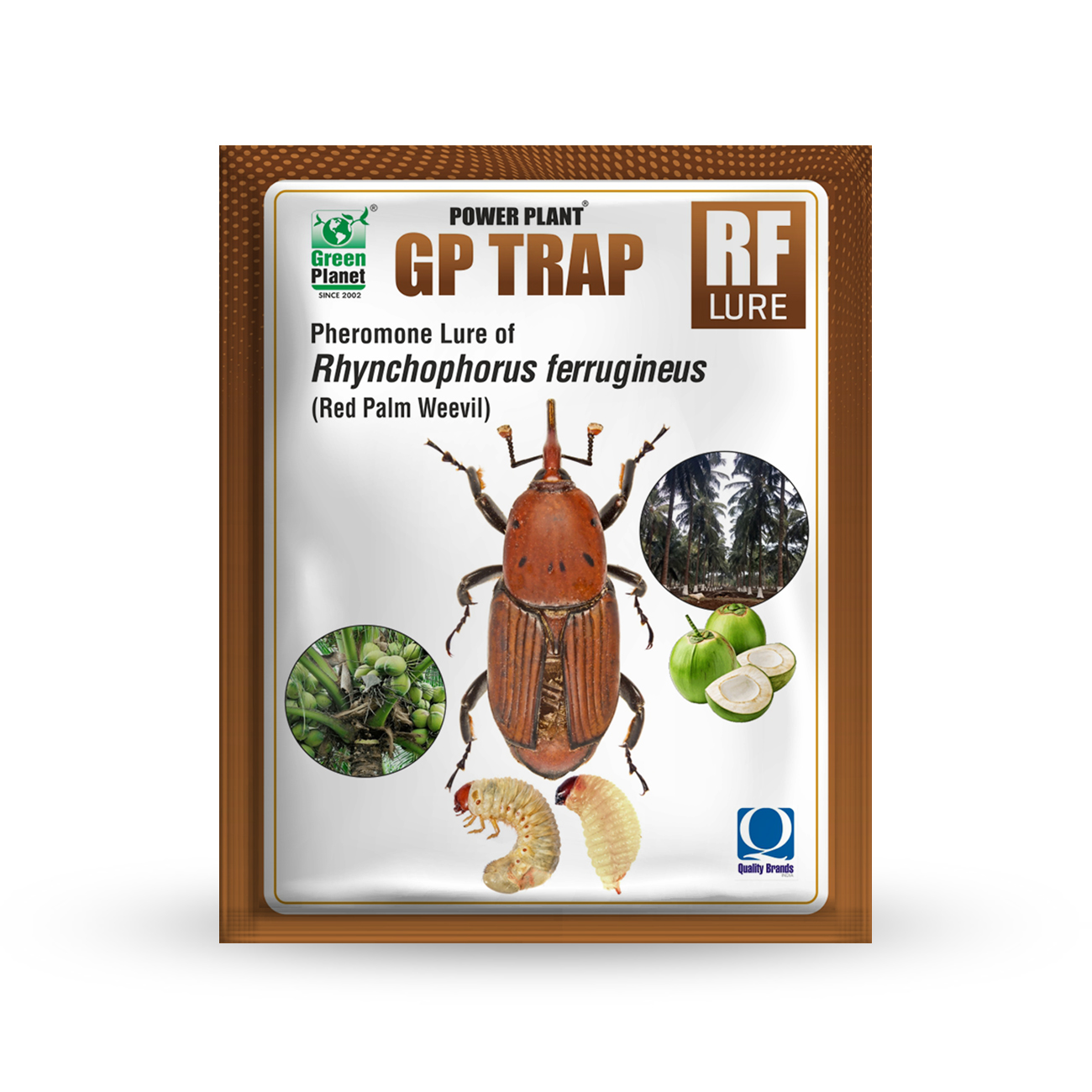
RF LURE 4 PCS-10401
MRP:
₹2700.00
(Incl. Of All Taxes)
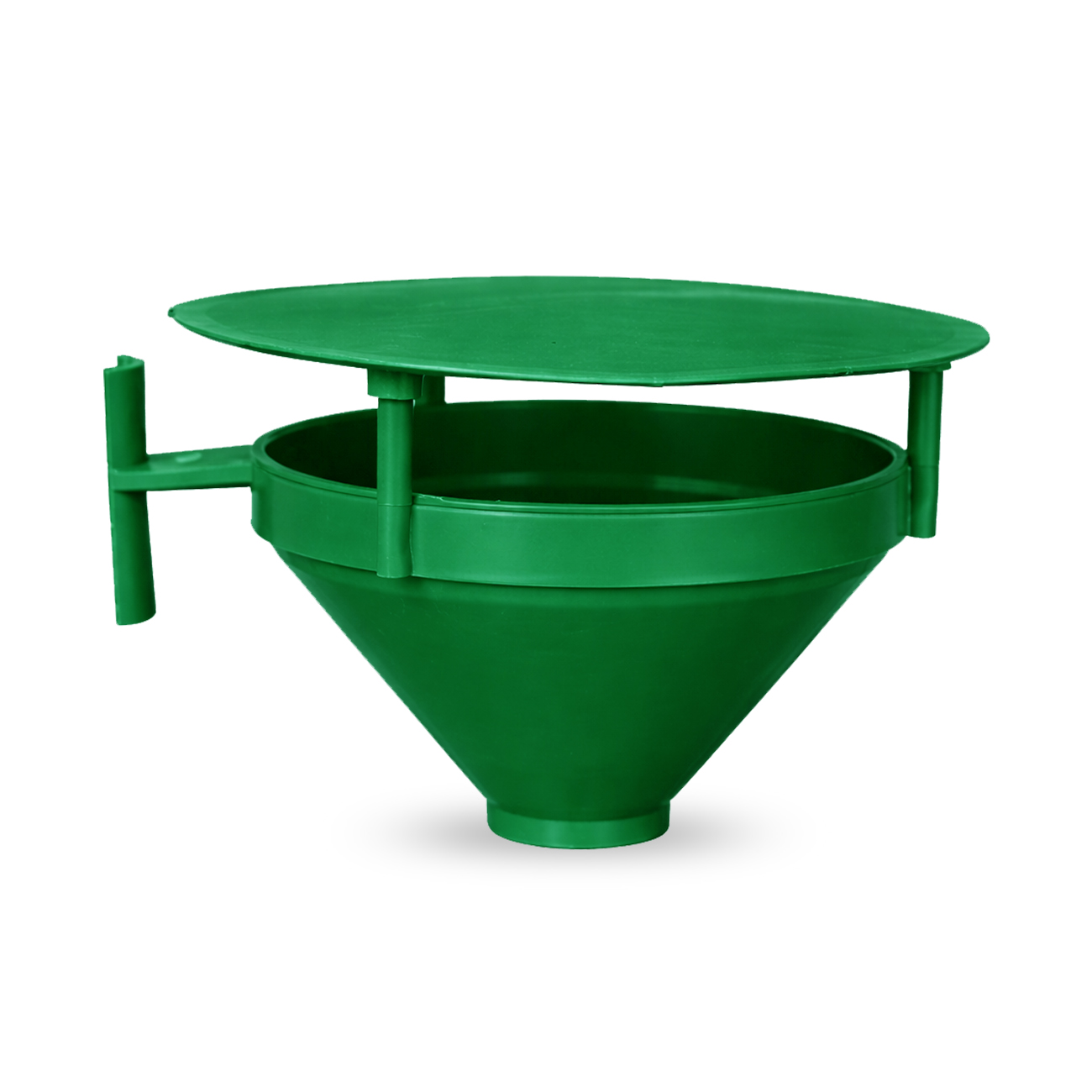
FUNNEL TRAP 10 PCS-10412
MRP:
₹2400.00
(Incl. Of All Taxes)

VIRO HIT 500 ML -10161
MRP:
₹3100.00
(Incl. Of All Taxes)

BHOOMI POWER ORGANIC MANURE 4KG-10055
MRP:
₹1300.00
(Incl. Of All Taxes)

PREMIUM SEAWEED 1 LTR-10048
MRP:
₹1400.00
(Incl. Of All Taxes)
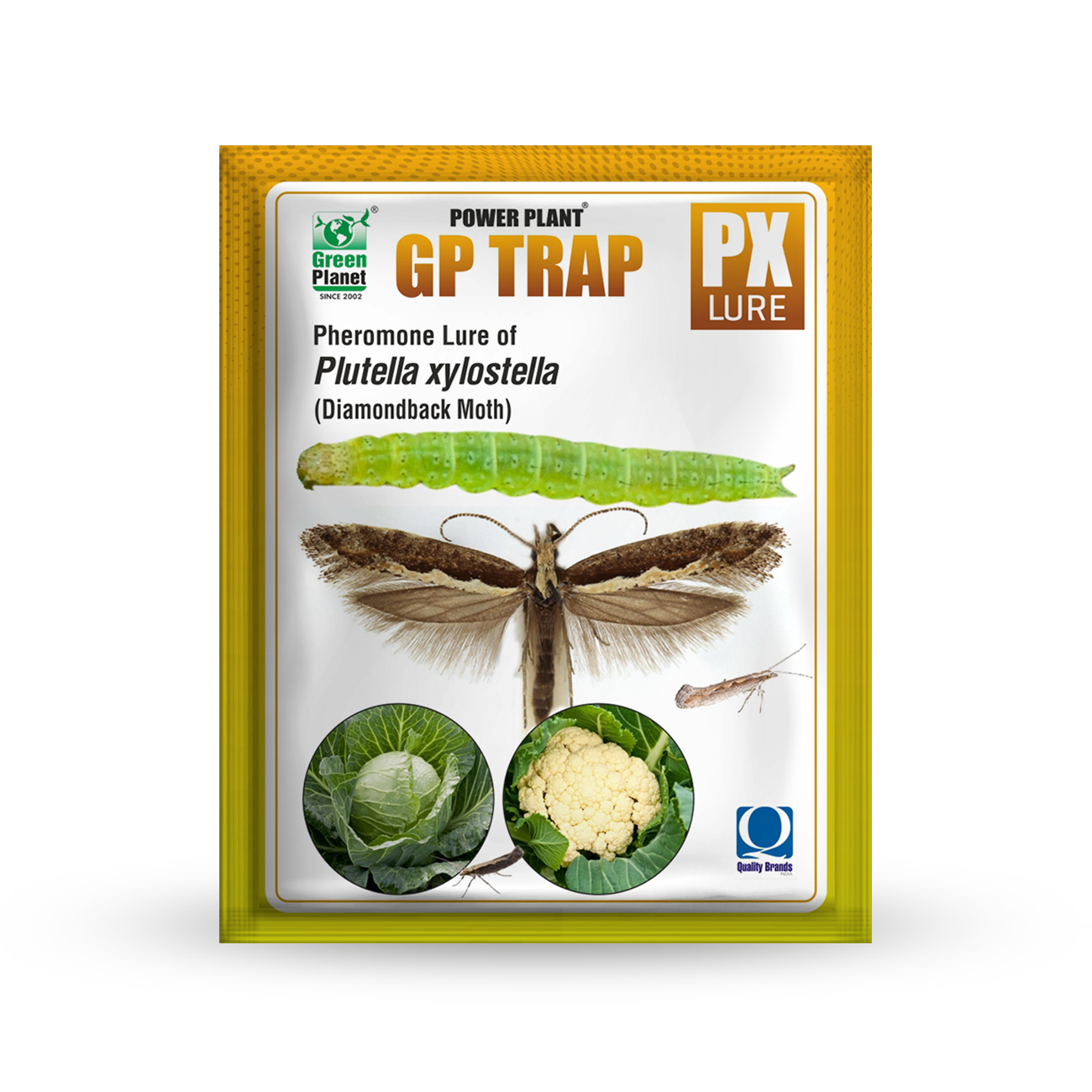
PX LURE 10 PCS-10407
MRP:
₹1350.00
(Incl. Of All Taxes)

ROOT POWER 2KG-10171
MRP:
₹1350.00
(Incl. Of All Taxes)
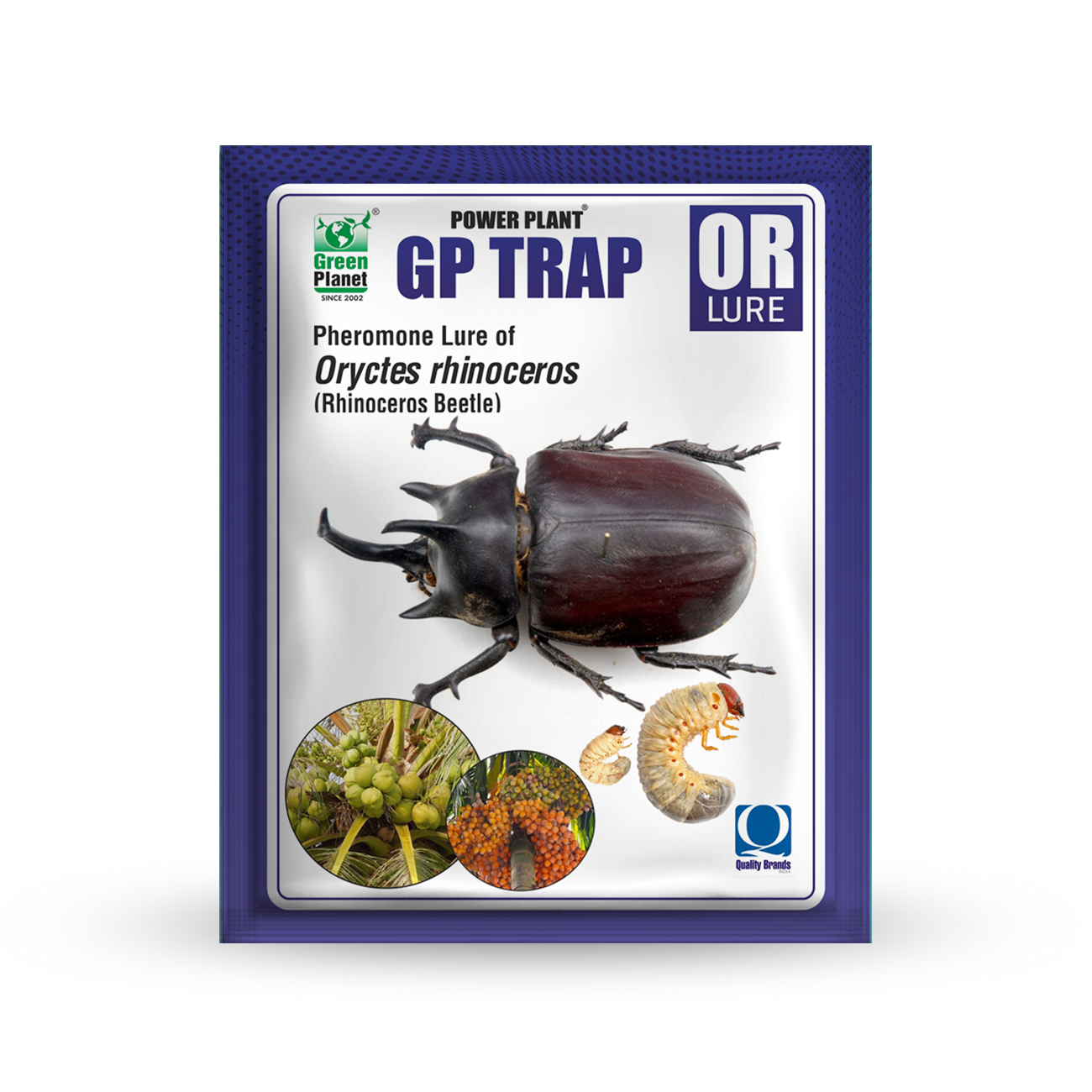
OR LURE 4 PCS-10402
MRP:
₹2250.00
(Incl. Of All Taxes)

Aggri Product-100101400
MRP:
₹899.00
(Incl. Of All Taxes)